

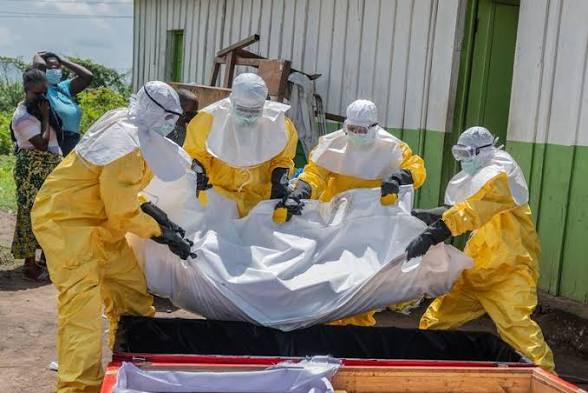
A spreading Ebola outbreak, first detected in multiple African nations, has cast a shadow of concern worldwide; the World Health Organization has formally declared the situation an international public health emergency.
In Pakistan, the Ministry of Health has launched a suite of precautionary actions to guard against any importation of the virus. The ministry has tasked the National Institute of Health with implementing rapid-response measures and ensuring laboratories are stocked with reliable diagnostic kits.
Border Health Services have been placed on high alert, with instructions for rigorous monitoring and special screening of travellers arriving from Uganda and Congo at major airports.
Because Ebola haemorrhagic fever can present with symptoms similar to dengue—including high fever, severe body aches and, in some cases, bleeding—frontline clinicians have been instructed to exercise extreme vigilance, apply strict triage procedures, and isolate suspected patients immediately.
Officials from the Federal Ministry of National Health Services emphasise that Pakistan’s public health system remains in control and that there is no immediate reason for public panic.
The World Health Organisation said on Wednesday the risk of spread of the Ebola virus in Congo and Uganda is high at national and regional levels, but low at the global level.
The risk assessment came as the leader of the WHO team in Congo said the outbreak, which has led to over 130 suspected deaths, could last at least another two months as aid efforts intensified to stem the spread
Elsewhere in Africa, nearly 300 suspected cases and 80 deaths have been reported to date. A team from the United States Centers for Disease Control and Prevention has arrived in the two affected countries to assist in containment and investigation efforts.