

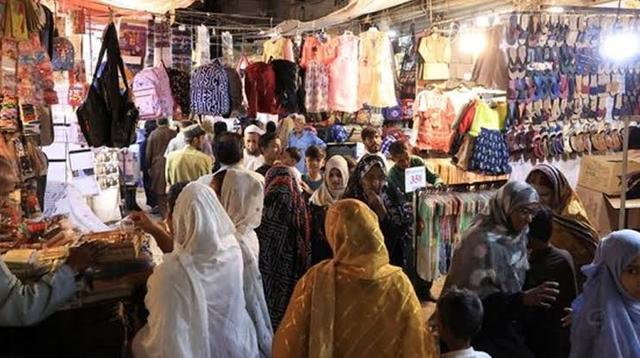
On Saturday, the Sindh government announced an exemption from the previous closing-time limits for shops, markets, shopping malls, hotels, restaurants, marriage halls, and marquees as part of its austerity measures.
The official notification read: “All shops, markets, shopping malls, hotels, restaurants, food outlets, marriage halls, and marquees are hereby exempted from the closure timings prescribed vide Home Department.”
Senior Sindh Minister Sharjeel Inam Memon said this will allow business centres across the province to continue operations during their normal hours without the earlier restrictions. He noted that those restrictions had been introduced under an energy conservation and austerity policy to cut electricity use, and said the provincial government aims to promote economic activity, public convenience, and financial stability.
Taking the concerns and suggestions of the business community into account, the government ensured commercial activities would not be affected, the minister said.
The Sindh government makes decisions through consultation, in the public interest and based on ground realities, he added.
Memon called traders and industrialists the backbone of the national economy and said the government will continue to take steps to resolve their problems and facilitate business.
He noted the provincial government had protected the interests of the public and the business sector despite difficult economic conditions, and that similar measures will continue to support economic growth, job creation and commercial activity across the province.
In April, the Sindh government introduced revised timings to manage the fuel crisis amid tensions in the Middle East. Under the new schedule, shopping malls outside divisional headquarters close at 8pm, while those in divisional headquarters can stay open until 9pm. Restaurants and food outlets may offer dine-in from 7pm to 11:30pm, and wedding halls may operate from 8pm to midnight. Essential services such as hospitals, pharmacies, bakeries and petrol stations are exempt.