

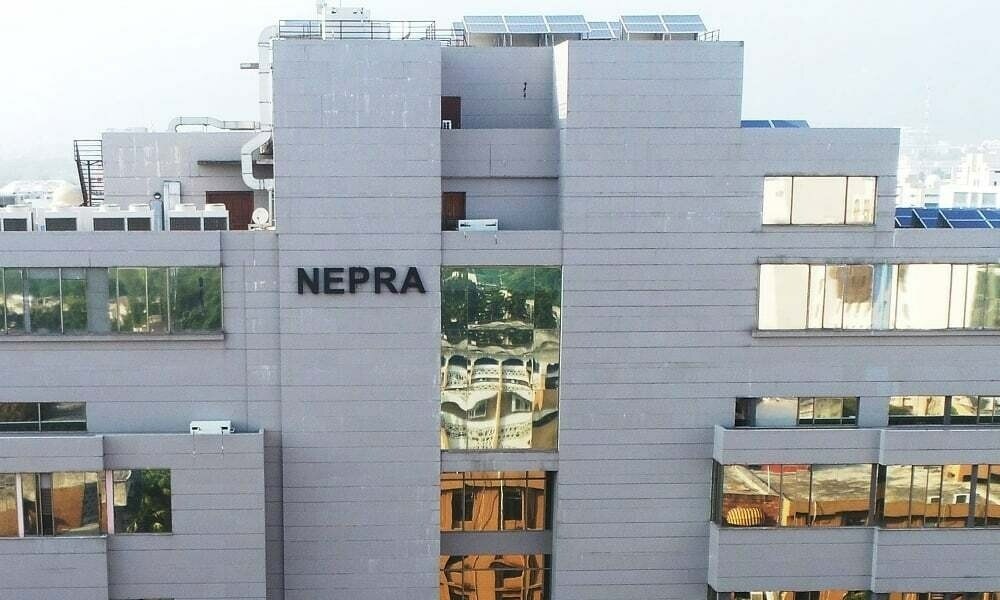
The National Electric Power Regulatory Authority (Nepra) has granted electricity distribution and supply licences to DHA Energy Supply Company (Private) Limited (DESCO), Karachi, authorising it to operate as a Supplier of Last Resort (SoLR) for its service territory in DHA City Karachi (DHACK).
According to DESCO’s distribution licence, the company will engage in the distribution of electric power business in its Service Territory on a non-exclusive basis, subject to and in accordance with the terms and conditions of this licence.
The licence, issued under the Regulation of Generation, Transmission and Distribution of Electric Power Act, 1997, will be effective between October 1, 2026 and September 30, 2046, marking a 20-year operational period for the company.
The entry of DESCO is set to impact K-Electric’s (KE) business, as DHA residents are viewed as reliable, high-paying consumers unlike those in Karachi’s more problematic areas.
This approval forms part of the broader power sector reforms under the amended Nepra Act, which seeks to liberalize the electricity market by separating supply and distribution while encouraging multiple licensees.
Nepra confirmed that DESCO possesses the necessary financial and technical capacity, having already set up vital infrastructure in DHA City Karachi, including transmission lines, grid stations, and supply networks.
At present, DHACK is supplied by K-Electric under a contract that runs until September 30, 2026. Following this date, DESCO will assume responsibility for electricity supply to local residents.
As a Supplier of Last Resort, DESCO must offer uninterrupted power to all eligible users in its territory without discrimination, including those affected by failures of competitive suppliers.
The regulator has ordered the firm to strictly adhere to all relevant laws, including Nepra tariff settings, procurement rules, and performance standards. DESCO must also submit its tariff petition within 90 days if not already finalized.
Nepra highlighted that the license is non-exclusive, which means other suppliers can also operate in the same territory as the competitive electricity market develops.
This move is a crucial step toward reforming Pakistan’s power sector, driving competition, and improving energy delivery services in urban regions.