

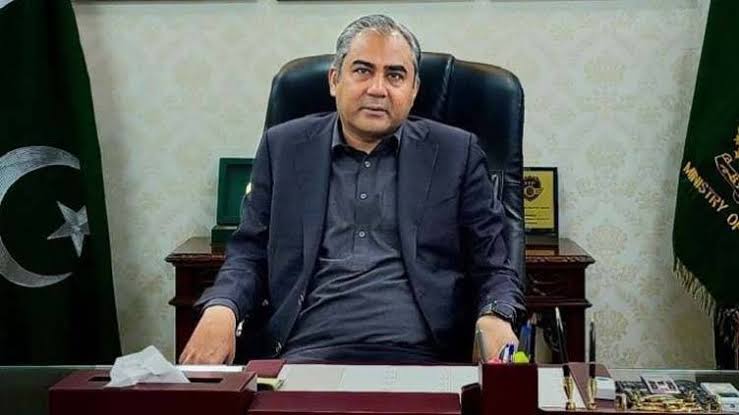
On Friday, Interior Minister Mohsin Naqvi announced that the government has decided to phase out machine-readable passports and move entirely to e-passports. He said the switch will deliver stronger security features, broad international compatibility and a smoother, more efficient experience for travellers at airports.
Chairing a special meeting at the Passport and Immigration Headquarters, Naqvi stressed that a full transition to e-passports will eliminate passport-related fraud and forgery. The director general of Passports and Immigration, Muhammad Ali Randhawa, briefed the minister on the proposed reforms. The meeting approved the shift to e-passports in principle, although no cutoff date for phasing out the older machine-readable passports was set.
An e-Passport is a tamper‑resistant travel document with a contactless electronic chip embedded in one of its pages. The NFC chip securely stores encrypted biometric identifiers, high‑resolution facial data, biographical details, a unique identification number and a digital signature; this enables border‑control systems and compatible smart devices to read the holder’s data wirelessly and reliably.
Pakistan’s e‑passports comply with International Civil Aviation Organization (ICAO) standards, allowing Pakistani travellers to use e‑gate facilities at airports around the world and significantly reduce time spent in immigration queues.
At the meeting held on Friday, officials also decided that all passport offices will switch to a cashless payment system from July 1, ending manual cash handling at banks and reducing the risk of errors and fraud.
Randhawa reported that initial preparations for home delivery of passports to citizens both in Pakistan and abroad have been completed. “The process of providing passports at citizens’ doorsteps will start soon,” Naqvi said.
A Pak ID platform will be provided to online passport applicants to streamline submissions and shorten processing times. Naqvi directed that the policy for business passports be finalised at the earliest, in consultation with the Federal Board of Revenue.