

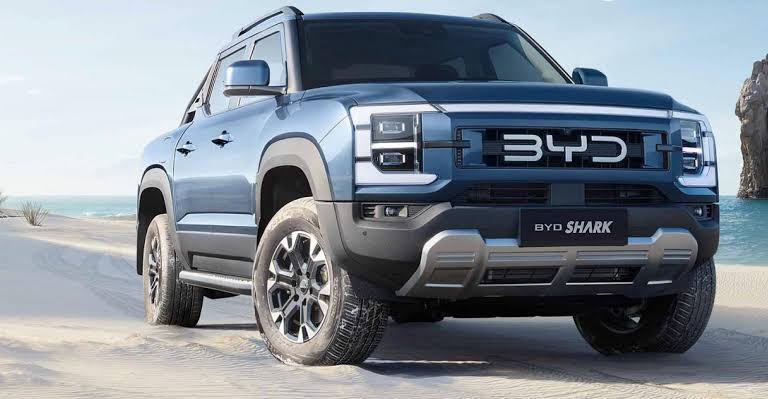
The BYD assembly plant located in Gharo, Sindh, which was expected to commence operations in the first half of FY26, has failed to meet this timeline.
As reported by Topline Securities, Hub Power Company Ltd (Hubco) has informed analysts this week that it now aims to launch the BYD assembly plant in the latter half of 2026, with an initial production capacity of 25,000 units annually, which can be expanded to 50,000 units. However, two months have already elapsed since the original deadline.
On February 28, 2025, Hubco had previously communicated to analysts that Mega Motor Company (Pvt) Ltd (MMCPL) was in the process of establishing an auto assembly plant in Sindh, slated to begin operations in the first half of FY26, alongside four flagship and three service dealerships in Pakistan’s three major cities. Hubco holds a 50 percent stake in this initiative.
In June 2024, Hub Power, through its wholly owned subsidiary HPHL and its partner company MMCPL, initiated a new electric vehicle venture in Pakistan in collaboration with BYD Auto Industry Company. This project represents a joint venture between the Chinese electric vehicle leader and Mega Motor, a subsidiary of Hub Power.
MMCPL has not responded to inquiries from the news platform sent via its public relations firm regarding the reasons for the delay in local vehicle assembly, the current status of the assembly plant, the localization strategy, the total imports of BYD vehicles before local assembly begins, and the assembly targets for the first operational year.
According to the brokerage firm, Hubco management has indicated that the total investment for the project amounts to $150 million, with $90 million allocated for project financing. The company aims to capture a 30 percent share of the combined EV/PHEV market by 2030.
Simultaneously, Hubco is enhancing its EV charging infrastructure through Hubco Green. Currently, 24 DC fast-charging stations are operational, with chargers positioned every 200 kilometers along the Karachi-Peshawar motorway network. The company intends to reduce this distance to 100 kilometers, with charging times at these stations ranging from 25 to 45 minutes.