

Pakistan’s inflation surged to a near two-year high of 10.9% in April, driven by soaring fuel prices, global supply shocks, and higher taxes on petroleum products.
According to the Pakistan Bureau of Statistics, this is the first time inflation has returned to double digits since July 2024, surpassing the government’s earlier forecast of 9%. The sharp rise is squeezing both urban and rural households, with steep price increases across energy, transport and food sectors.
The spike is largely linked to rising global fuel costs after geopolitical tensions involving the United States, Israel and Iran pushed Brent crude significantly higher. That international ripple effect has translated into much higher prices for petroleum products in Pakistan.
Fuel has been a main driver: motor fuel prices rose about 40% year-on-year, while diesel surged nearly 93%. The government reintroduced a levy on diesel and maintained a high levy on petrol, further pushing consumer prices upward.
Energy costs overall have climbed sharply — electricity is roughly 33% more expensive and liquefied hydrocarbons are up about 63% compared with last year. Urban energy inflation stands near 13.8%, with rural areas around 13.6%.
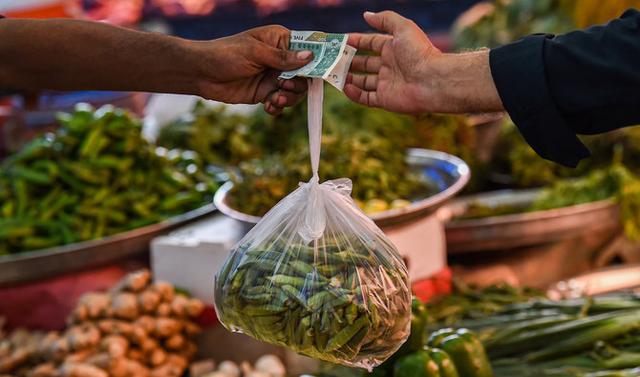
Food inflation has also accelerated, reaching 6.9% in urban areas and 7.3% in rural areas. Key staples saw steep increases: tomatoes up about 75%, onions 42%, and wheat and flour roughly 30–40%. Transport costs rose by approximately 38%, adding extra pressure on family budgets.
The government had set an annual inflation target of 7.5%, but officials now warn the target is likely to be missed if fuel prices continue to climb.