

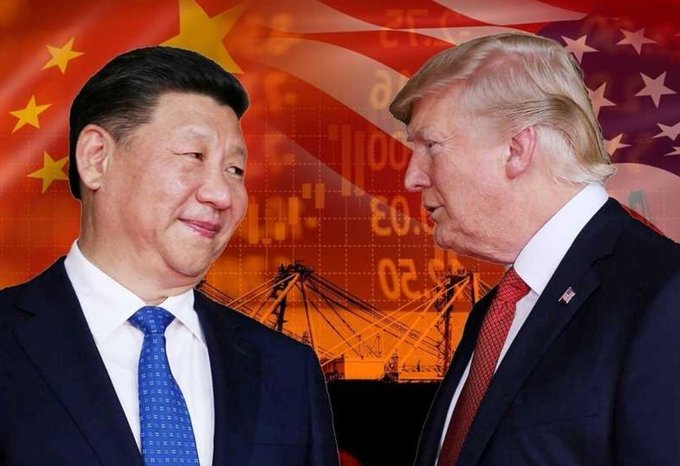
China warned against external interference after the United States moved to enforce a new naval blockade on Iranian ports following the breakdown of U.S.-Iran ceasefire talks this weekend.
The warning comes as the blockade increases pressure around the Strait of Hormuz, a vital global energy corridor, amid geopolitical tensions already elevated by the war in Iran.
The move affects international shipping, oil markets, and relations among major powers with direct economic and security interests in the region.
The blockade targets Iranian maritime trade and adds new strain to the Strait of Hormuz, through which a large share of the world’s oil supply flows. Even modest restrictions at Iranian ports could disrupt tanker movements, push prices higher, and further unsettle global energy markets.
China’s reaction shows the escalation could spread beyond Iran. Beijing depends heavily on crude from the Persian Gulf and has made clear it opposes actions that interfere with its commercial and energy ties. That dependence raises the stakes as U.S. enforcement actions intersect with Chinese shipping interests.
The episode comes amid broader pressure tactics. President Donald Trump has warned that countries supplying Iran with weapons could face wide secondary tariffs, possibly up to 50 percent, signaling that the economic fallout from the standoff could extend well beyond the conflict zone.